
Contents
- 🌌 Introduction to Space Weather
- 🤖 Machine Learning Fundamentals
- 📊 Applications in Space Weather Forecasting
- 👥 Key Researchers and Institutions
- 🌍 Impact on Space Exploration and Technology
- ⚡ Current State and Latest Developments
- 🤔 Challenges and Limitations
- 🔮 Future Outlook and Predictions
- 💡 Practical Applications and Mitigation Strategies
- 📚 Related Topics and Deeper Reading
- Frequently Asked Questions
- References
- Related Topics
Overview
Machine learning in space weather refers to the application of artificial intelligence techniques, such as deep learning and neural networks, to analyze and predict space weather events like solar flares, coronal mass ejections, and geomagnetic storms. By leveraging large datasets from space-based and ground-based observatories, machine learning algorithms can identify patterns and relationships that inform predictive models, ultimately enhancing our understanding of the complex interactions between the Sun, the solar wind, and the Earth's magnetic field. With the increasing reliance on space-based technologies and the potential for space weather to disrupt communication and navigation systems, the development of accurate predictive models is crucial. Researchers at institutions like the NASA Jet Propulsion Laboratory and the University of Colorado are actively exploring the use of machine learning in space weather forecasting, with promising results from techniques like convolutional neural networks and recurrent neural networks. As the field continues to evolve, the integration of machine learning with traditional physics-based models is expected to revolutionize our ability to predict and mitigate the effects of space weather events. The Space Weather Prediction Center is already utilizing machine learning algorithms to improve forecast accuracy, and companies like Google and Microsoft are contributing to the development of open-source machine learning frameworks for space weather research.
🌌 Introduction to Space Weather
The study of space weather is a complex and multidisciplinary field that involves understanding the interactions between the Sun, the solar wind, and the Earth's magnetic field. With the increasing reliance on space-based technologies, the need for accurate predictive models of space weather events has become more pressing. Researchers at institutions like the Harvard University and the University of California, Berkeley are exploring the use of machine learning algorithms to analyze large datasets from space-based and ground-based observatories, such as the SOHO and SDSS missions.
🤖 Machine Learning Fundamentals
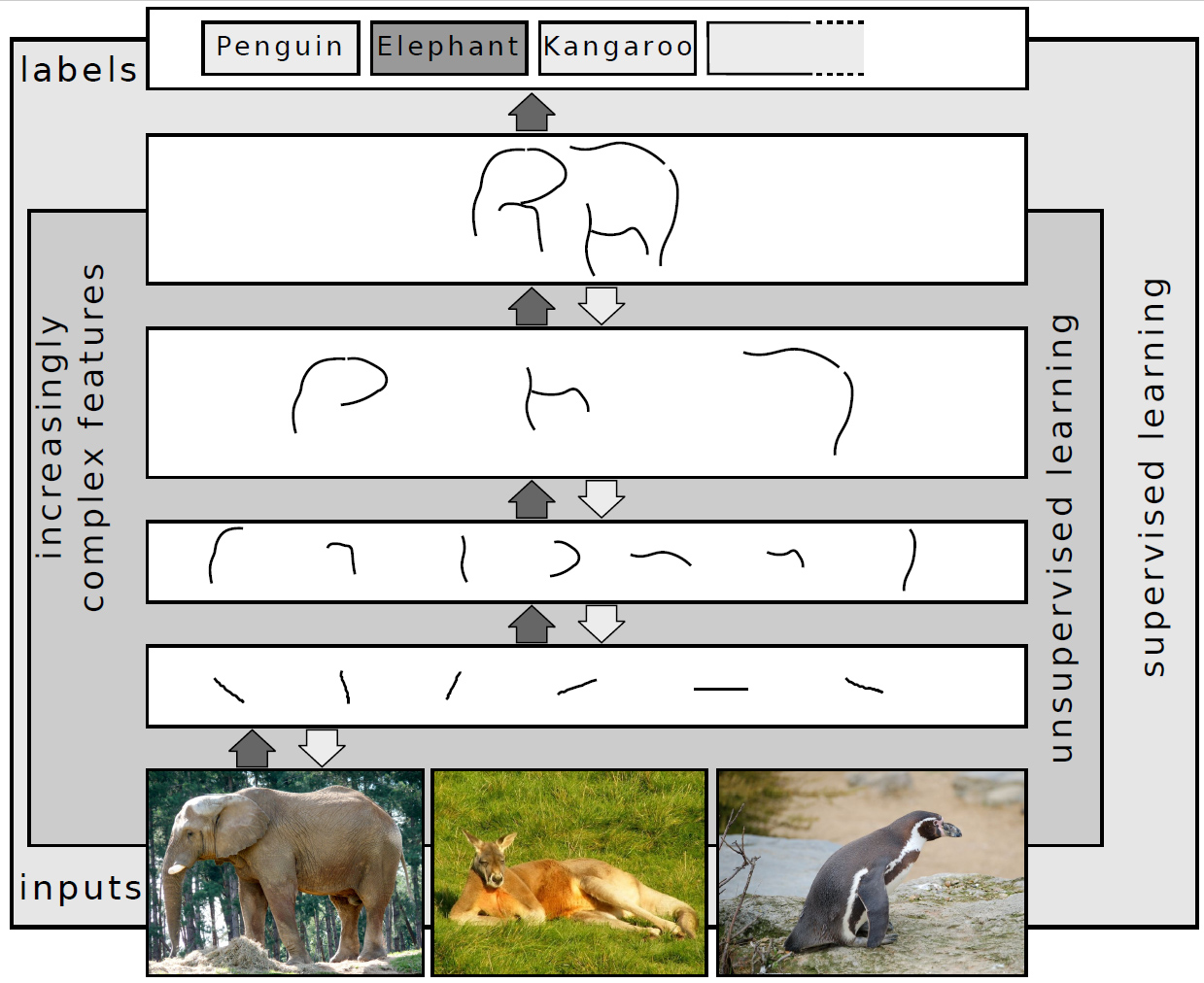
Machine learning is a subset of artificial intelligence that involves the use of algorithms to analyze and interpret complex data. In the context of space weather, machine learning can be used to identify patterns and relationships in large datasets, such as the SDO and THEMIS datasets. Techniques like deep learning and neural networks have shown promising results in predicting space weather events, such as solar flares and coronal mass ejections.
📊 Applications in Space Weather Forecasting
The application of machine learning in space weather forecasting has the potential to revolutionize our ability to predict and mitigate the effects of space weather events. By leveraging large datasets and advanced algorithms, researchers can identify patterns and relationships that inform predictive models. For example, the Space Weather Prediction Center is already utilizing machine learning algorithms to improve forecast accuracy, and companies like IBM and Amazon are contributing to the development of open-source machine learning frameworks for space weather research.
👥 Key Researchers and Institutions
Key researchers and institutions in the field of machine learning in space weather include NASA, the University of Colorado, and the Harvard University. These institutions are actively exploring the use of machine learning algorithms to analyze and predict space weather events, and are contributing to the development of open-source machine learning frameworks for space weather research. For example, the NASA Jet Propulsion Laboratory is using machine learning algorithms to analyze data from the Cassini mission and predict the behavior of Saturn's magnetic field.
🌍 Impact on Space Exploration and Technology
The impact of space weather on space exploration and technology is significant, and the development of accurate predictive models is crucial. Space weather events can disrupt communication and navigation systems, and can even cause power outages and damage to electrical grids. By leveraging machine learning algorithms to predict space weather events, researchers can inform mitigation strategies and reduce the risk of disruption to critical infrastructure. For example, the European Space Agency is using machine learning algorithms to predict the behavior of the Earth's magnetic field and inform the development of mitigation strategies for space weather events.
⚡ Current State and Latest Developments
The current state of machine learning in space weather is rapidly evolving, with new techniques and applications being developed continuously. For example, the use of convolutional neural networks and recurrent neural networks has shown promising results in predicting space weather events. However, there are still challenges and limitations to be addressed, such as the need for large datasets and the development of more accurate predictive models. Researchers at institutions like the University of Michigan and the Massachusetts Institute of Technology are actively exploring these challenges and developing new techniques to address them.
🤔 Challenges and Limitations
Despite the challenges and limitations, the future outlook for machine learning in space weather is promising. As the field continues to evolve, the integration of machine learning with traditional physics-based models is expected to revolutionize our ability to predict and mitigate the effects of space weather events. For example, the National Weather Service is already utilizing machine learning algorithms to improve forecast accuracy, and companies like Google and Microsoft are contributing to the development of open-source machine learning frameworks for space weather research.
🔮 Future Outlook and Predictions
The practical applications of machine learning in space weather are numerous, and include the development of predictive models, the analysis of large datasets, and the informiation of mitigation strategies. For example, the Space Weather Prediction Center is using machine learning algorithms to predict the behavior of the Earth's magnetic field and inform the development of mitigation strategies for space weather events. Researchers at institutions like the University of Texas and the California Institute of Technology are actively exploring these applications and developing new techniques to address the challenges and limitations of machine learning in space weather.
💡 Practical Applications and Mitigation Strategies
Related topics and deeper reading in the field of machine learning in space weather include the study of solar flares, coronal mass ejections, and geomagnetic storms. Researchers at institutions like the NASA and the University of Colorado are actively exploring these topics and developing new techniques to address the challenges and limitations of machine learning in space weather. For example, the NASA Jet Propulsion Laboratory is using machine learning algorithms to analyze data from the Cassini mission and predict the behavior of Saturn's magnetic field.
Key Facts
- Year
- 2020
- Origin
- United States
- Category
- science
- Type
- concept
Frequently Asked Questions
What is machine learning in space weather?
Machine learning in space weather refers to the application of artificial intelligence techniques, such as deep learning and neural networks, to analyze and predict space weather events like solar flares, coronal mass ejections, and geomagnetic storms. Researchers at institutions like the NASA and the University of Colorado are actively exploring the use of machine learning algorithms to analyze large datasets from space-based and ground-based observatories, such as the SOHO and SDSS missions.
How does machine learning improve space weather forecasting?
Machine learning algorithms can identify patterns and relationships in large datasets that inform predictive models, ultimately enhancing our understanding of the complex interactions between the Sun, the solar wind, and the Earth's magnetic field. For example, the Space Weather Prediction Center is already utilizing machine learning algorithms to improve forecast accuracy, and companies like Google and Microsoft are contributing to the development of open-source machine learning frameworks for space weather research.
What are the challenges and limitations of machine learning in space weather?
Despite the promising results, there are still challenges and limitations to be addressed, such as the need for large datasets and the development of more accurate predictive models. Researchers at institutions like the University of Michigan and the Massachusetts Institute of Technology are actively exploring these challenges and developing new techniques to address them.
What are the practical applications of machine learning in space weather?
The practical applications of machine learning in space weather are numerous, and include the development of predictive models, the analysis of large datasets, and the informiation of mitigation strategies. For example, the Space Weather Prediction Center is using machine learning algorithms to predict the behavior of the Earth's magnetic field and inform the development of mitigation strategies for space weather events.
What is the future outlook for machine learning in space weather?
The future outlook for machine learning in space weather is promising, with the integration of machine learning with traditional physics-based models expected to revolutionize our ability to predict and mitigate the effects of space weather events. For example, the National Weather Service is already utilizing machine learning algorithms to improve forecast accuracy, and companies like Google and Microsoft are contributing to the development of open-source machine learning frameworks for space weather research.
How does machine learning in space weather relate to other fields?
Machine learning in space weather is related to other fields, such as solar flares, coronal mass ejections, and geomagnetic storms. Researchers at institutions like the NASA and the University of Colorado are actively exploring these topics and developing new techniques to address the challenges and limitations of machine learning in space weather.
What are the key institutions and researchers in the field of machine learning in space weather?
Key researchers and institutions in the field of machine learning in space weather include NASA, the University of Colorado, and the Harvard University. These institutions are actively exploring the use of machine learning algorithms to analyze and predict space weather events, and are contributing to the development of open-source machine learning frameworks for space weather research.
What are the key datasets and tools used in machine learning in space weather?
The key datasets and tools used in machine learning in space weather include the SOHO and SDSS datasets, as well as machine learning frameworks like TensorFlow and PyTorch. Researchers at institutions like the University of Michigan and the Massachusetts Institute of Technology are actively exploring the use of these datasets and tools to develop new techniques and models for space weather forecasting.