
Contents
Overview
Ancient warfare, from the Roman legions wielding swords and ballistae to the brutal close-quarters combat of the Middle Ages, frequently resulted in limbs being severed by blades, blunt force, or battlefield machinery. The advent of industrialization in the 18th and 19th centuries introduced new dangers, with factory accidents involving steam engines, power looms, and other heavy machinery leading to a surge in traumatic amputations. The Second World War and subsequent conflicts continued this grim legacy, with advances in battlefield medicine improving survival rates but not diminishing the frequency of such injuries.
⚙️ How It Works
Traumatic amputation occurs when external forces exceed the structural integrity of bone, muscle, and vasculature, leading to a complete or near-complete separation of a limb or body part. This can happen through crushing injuries, where immense pressure causes tissue destruction and vascular compromise, or through shearing forces, like those from high-speed vehicle impacts or industrial accidents, which can literally tear tissues apart. In blast injuries, the combination of concussive force and flying debris can cause both blunt trauma and sharp lacerations, leading to amputation. The immediate physiological response is severe blood loss, shock, and intense pain, necessitating rapid emergency medical services (EMS) intervention to control hemorrhage, stabilize the patient, and transport them to a trauma center for further surgical management, which may include debridement, wound closure, or further necessary amputation.
📊 Key Facts & Numbers
In the United States, motor vehicle accidents are a leading cause of traumatic amputation. Industrial accidents account for another substantial portion, with sectors like construction and manufacturing reporting higher rates of limb-threatening injuries. Military conflicts, such as those in Iraq and Afghanistan, have seen thousands of service members sustain traumatic amputations due to improvised explosive devices (IEDs) and other battlefield trauma. The economic cost associated with traumatic amputation is staggering, encompassing emergency care, surgery, long-term rehabilitation, prosthetic devices, and lost productivity.
👥 Key People & Organizations
Pioneers in reconstructive surgery and prosthetics have profoundly impacted the lives of those with traumatic amputations. Figures like Ivan Sokolov, a Russian surgeon in the 19th century, developed early techniques for limb reconstruction. In the 20th century, William T. Eagan and his team at the Massachusetts General Hospital were instrumental in advancing amputation surgery and rehabilitation protocols, particularly during the Vietnam War. Organizations like the Wounded Warrior Project and Amputee Coalition provide critical support, advocacy, and resources for individuals affected by limb loss, including those from traumatic incidents. The development of advanced prosthetic limbs by companies like Össur and Hanger Clinic has been driven by the needs of amputees, including those who have suffered traumatic loss.
🌍 Cultural Impact & Influence
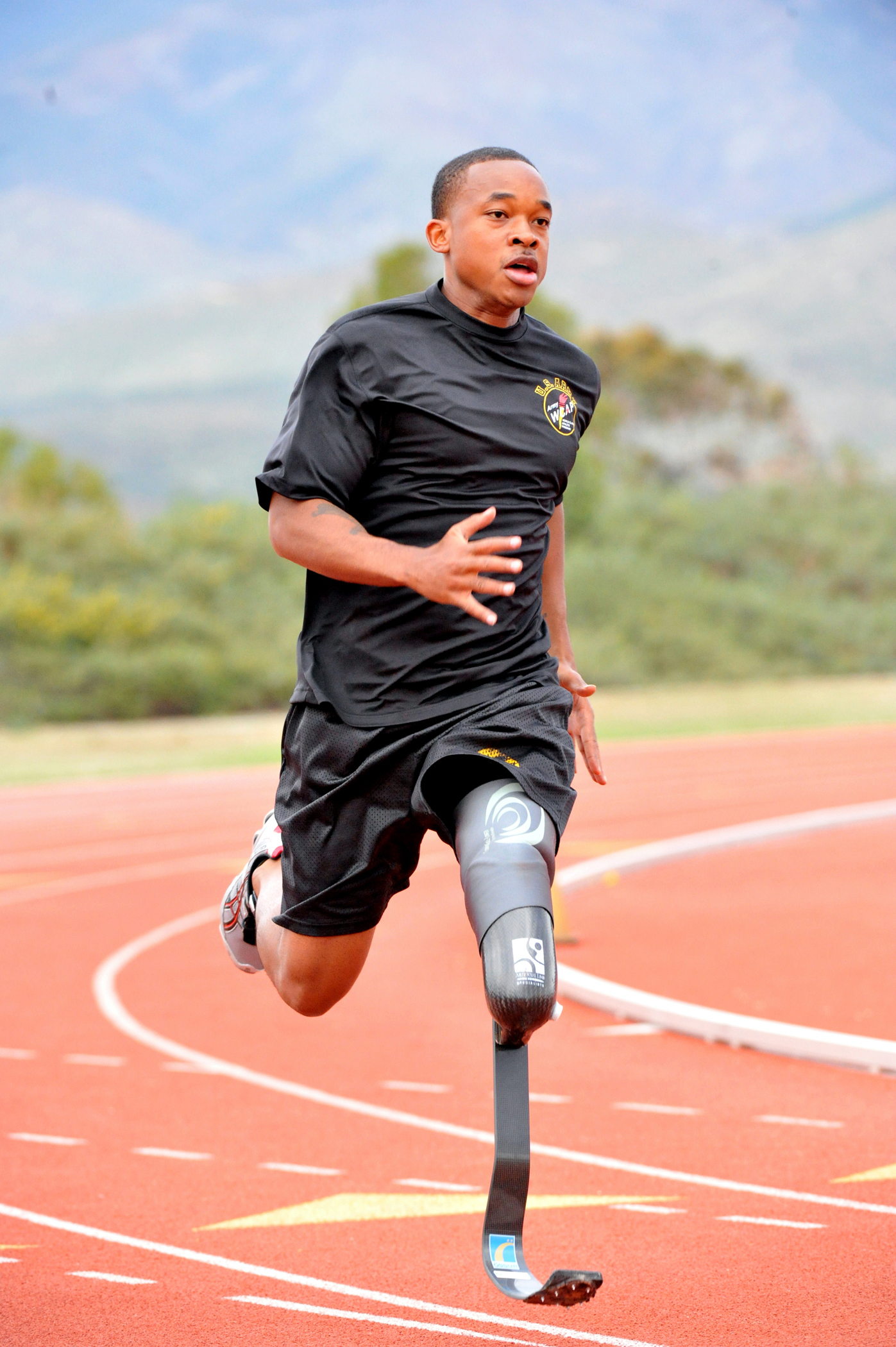
Traumatic amputation has permeated art, literature, and popular culture, often serving as a stark symbol of loss, resilience, and the brutal realities of conflict or disaster. From ancient myths featuring heroes who lose limbs in battle to modern films depicting the aftermath of explosions or accidents, the severed limb is a recurring motif. The experience of PTSD is frequently intertwined with traumatic amputation, influencing narrative arcs and character development. In literature, works like All Quiet on the Western Front vividly portray the physical and psychological devastation of war injuries, including amputations. The cultural perception of amputees has evolved, moving from pity and ostracization towards greater recognition of their strength and adaptability, often highlighted in media portrayals of athletes like Paralympic athletes who achieve extraordinary feats despite limb loss.
⚡ Current State & Latest Developments
The current state of care for traumatic amputation is characterized by rapid advancements in emergency response, surgical techniques, and prosthetic technology. Robotic prosthetics with intuitive control systems, powered by myoelectric signals, are becoming more sophisticated, offering greater functionality and a more natural feel. 3D printing is revolutionizing the creation of custom-fit prosthetic sockets and components, making them more accessible and affordable. Telemedicine and remote rehabilitation platforms are expanding access to specialized care, particularly for individuals in rural or underserved areas. Research into nerve grafting and targeted muscle reinnervation techniques aims to improve prosthetic control and reduce phantom limb pain. The focus is increasingly on holistic recovery, integrating physical therapy, psychological support, and vocational retraining.
🤔 Controversies & Debates
One of the most persistent controversies surrounding traumatic amputation relates to the ethics of battlefield medicine and the use of certain weapons. The debate over landmines and cluster munitions, which often cause severe, life-altering injuries including amputations, continues to be a significant international issue, with ongoing efforts to ban their use. Within rehabilitation, debates persist regarding the optimal timing and approach for prosthetic fitting, the management of phantom limb pain, and the psychological support provided to amputees. There are also ongoing discussions about equitable access to advanced prosthetics and rehabilitation services, particularly in lower-income countries where the burden of traumatic amputations from accidents and conflict is high.
🔮 Future Outlook & Predictions
The future of traumatic amputation care points towards even greater integration of technology and personalized medicine. Brain-computer interfaces (BCIs) hold immense promise for direct neural control of advanced prosthetics, potentially offering a level of dexterity and sensation previously unimaginable. Regenerative medicine approaches, including stem cell therapy and tissue engineering, may one day enable the regrowth of lost limbs or significantly improve the healing and integration of residual limbs. AI-driven diagnostic tools could help predict outcomes and personalize rehabilitation plans more effectively. Furthermore, a greater societal emphasis on inclusivity and accessibility, driven by advocacy groups and legislative changes, will likely continue to shape how amputees are integrated into all aspects of life, from employment to recreation.
💡 Practical Applications
Traumatic amputation has direct practical applications in emergency medicine training, where simulated amputations are used to teach hemorrhage control and wound management. In the field of prosthetics, the need to replace lost limbs drives innovation in biomechanics, materials science, and control systems. The development of advanced prosthetic limbs has also led to spin-off technologies used in robotics and human-machine interfaces. Furthermore, the study of phantom limb pain and its management has provided valuable insights into neuroplasticity and pain percept
Key Facts
- Category
- science
- Type
- topic