
Contents
Overview
Vanity Fair is a quintessential American monthly magazine that has chronicled popular culture, fashion, and current affairs with a distinctive blend of wit, sophistication, and incisive reporting. First launched in 1913, it ceased publication in 1936 before being revived in 1983, solidifying its status as a cultural arbiter. Known for its iconic photography, in-depth profiles, and sharp commentary, Vanity Fair has consistently captured the essence of its time, from the Roaring Twenties to the digital age. Its pages have featured everyone from Hollywood stars and political figures to artists and literary giants, making it a barometer of societal trends and a chronicler of the influential. With a circulation that reaches millions, the magazine continues to shape conversations and define the cultural landscape.
🎵 Origins & History
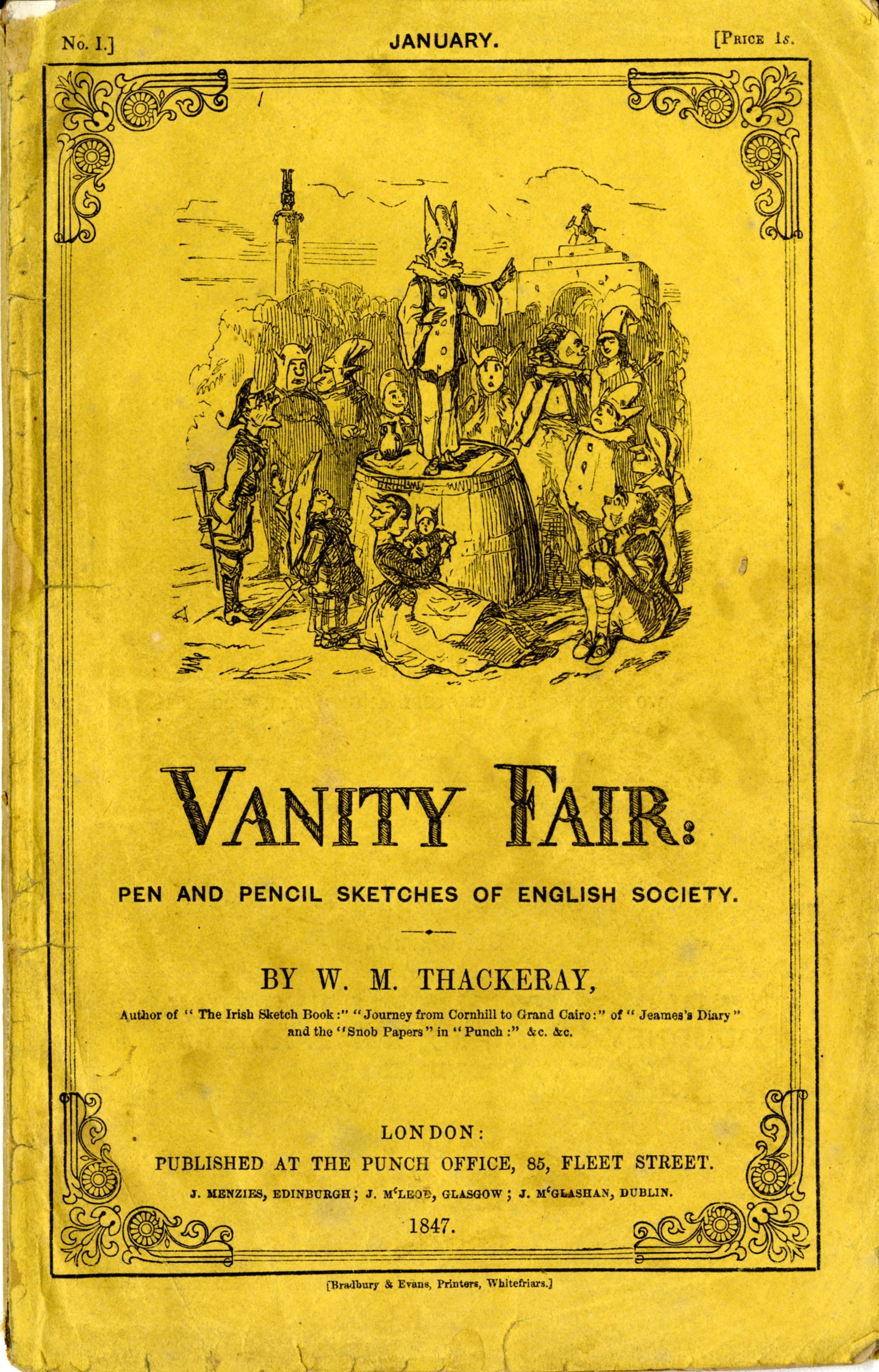
Vanity Fair magazine was a creation of Condé Nast, who envisioned a publication that would capture the burgeoning spirit of American modernity. It aimed to be a sophisticated chronicle of art, fashion, and society, drawing inspiration from its British namesake, the satirical novel Vanity Fair by William Makepeace Thackeray. The magazine quickly distinguished itself with its avant-garde design, featuring illustrations by artists like John Singer Sargent and William Copley McFadden. It became a tastemaker, defining the aesthetics of the Roaring Twenties and attracting luminaries from the worlds of theater, literature, and the arts. It merged with Vogue.
⚙️ How It Works
The revival of Vanity Fair in 1983 under Condé Nast Publications marked a significant moment in magazine journalism. The new iteration, under the editorial direction of Tina Brown, aimed to recapture the prestige and cultural relevance of its predecessor while adapting to a contemporary audience. The magazine's editorial strategy centers on a mix of in-depth profiles of influential figures across politics, entertainment, and business, alongside sharp cultural commentary, trend-spotting, and high-fashion photography. Its distinctive visual style, often featuring elaborate covers and artistic layouts, is a key component of its appeal. The editorial team meticulously curates content to reflect the current zeitgeist, ensuring its relevance in a rapidly changing media landscape.
📊 Key Facts & Numbers
As of 2023, Vanity Fair boasts an average monthly circulation of approximately 1.2 million print copies, with its digital platforms reaching an additional 20 million unique visitors per month. The magazine's advertising revenue for 2023 was reported to be around $150 million, a testament to its enduring appeal among luxury brands and its engaged readership. Its annual 'Best Dressed' list is a highly anticipated event in the fashion industry, and its 'New Establishment' list, which highlights influential figures shaping the future, garners significant media attention. The magazine has won over 20 National Magazine Awards since its revival, underscoring its critical acclaim.
👥 Key People & Organizations
Key figures have shaped Vanity Fair's identity throughout its history. In its initial run, editors like Frank Crowninshield curated a roster of contributors including Dorothy Parker, P.G. Wodehouse, and Aldous Huxley. Subsequent editors, such as Graydon Carter (1992-2017), have continued to steer the magazine's direction, maintaining its commitment to high-quality journalism and visual storytelling. Radhika Jones is the current editor-in-chief. Condé Nast remains the parent company, overseeing its extensive portfolio of publications.
🌍 Cultural Impact & Influence
Vanity Fair has profoundly influenced American culture, serving as a mirror and a shaper of societal trends for over a century. Its early issues defined the glamour and artistic ferment of the 1920s, while its revival in the 1980s captured the era's burgeoning celebrity culture and political discourse. The magazine's willingness to tackle controversial subjects and its sophisticated, often critical, lens on power and influence have cemented its reputation as a significant cultural force, impacting fashion, film, and public perception.
⚡ Current State & Latest Developments
In 2024, Vanity Fair continues to navigate the evolving media landscape with a robust digital strategy complementing its print edition. Recent developments include the expansion of its video content, particularly its popular 'Secret Talent' and 'Plead the Fifth' interview series on YouTube, which have garnered millions of views. The magazine has also been actively engaging with emerging platforms and social media trends to broaden its reach. Editor-in-chief Radhika Jones has focused on diversifying its coverage and ensuring representation across its features, reflecting contemporary societal shifts. The annual Vanity Fair Oscar Party remains a highly publicized event, symbolizing its continued connection to Hollywood's elite.
🤔 Controversies & Debates
Vanity Fair has not been without its controversies. Some critics have argued that its emphasis on glamour and elite culture can create a disconnect with broader societal issues. Debates also arise around its editorial choices, particularly concerning the selection of cover subjects and the framing of profiles, with accusations of bias or sensationalism surfacing periodically. The magazine's historical coverage of certain social issues has also been re-examined in light of contemporary perspectives.
🔮 Future Outlook & Predictions
The future of Vanity Fair appears to be one of continued adaptation to digital media while preserving its core identity. Experts predict a further integration of print and digital content, with an increased emphasis on interactive features and personalized storytelling across its platforms. The magazine is likely to continue its role as a chronicler of cultural shifts, with a focus on emerging trends in technology, sustainability, and global affairs. Its ability to attract top-tier talent, both in writing and photography, suggests it will remain a significant voice in shaping cultural discourse, though the challenge of maintaining print relevance in an increasingly digital world will persist.
💡 Practical Applications
The primary application of Vanity Fair lies in its role as a cultural barometer and influencer. It serves as a platform for in-depth journalism, offering readers insights into the lives of influential people and the forces shaping society. For the fashion industry, it acts as a key arbiter of style and trends, with its editorial pages and annual lists significantly impacting designers, brands, and consumer preferences. In the realm of public relations and celebrity management, securing a feature or cover story in Vanity Fair is often seen as a major career milestone, conferring prestige and visibility. Its content also provides valuable market research for advertisers seeking to reach an affluent and culturally engaged demographic.
Key Facts
- Category
- culture
- Type
- platform