
Contents
- 🌟 Introduction to Mi'kmaq Heritage
- 🏞️ Traditional Mi'kmaq Territory
- 🎨 Mi'kmaq Art and Symbolism
- 📚 Mi'kmaq Language and Literature
- 🕊️ Mi'kmaq Spirituality and Religion
- 👥 Mi'kmaq Social and Family Structure
- 🏫 Mi'kmaq Education and Cultural Preservation
- 🎶 Mi'kmaq Music and Dance
- 📊 Mi'kmaq History and Treaty Relations
- 🌐 Modern Mi'kmaq Culture and Identity
- 🤝 Mi'kmaq Relations with Other Indigenous Groups
- 🌈 Conclusion: Celebrating Mi'kmaq Heritage
- Frequently Asked Questions
- Related Topics
Overview
The Mi'kmaq people, indigenous to Canada and the northeastern United States, have a vibrant culture that spans over 5,000 years. With a population of approximately 170,000, they are one of the largest First Nations groups in Canada. The Mi'kmaq have a distinct language, spiritual practices, and traditional arts, including intricate basketry and quillwork. Their history is marked by both resilience and struggle, from the early interactions with European colonizers to the present-day efforts to preserve their language and cultural heritage. The Mi'kmaq have a strong tradition of storytelling, with legends like the Wild Goose Chase and the story of Glooscap, which have been passed down through generations. Today, the Mi'kmaq continue to work towards self-determination, with a focus on language revitalization, cultural preservation, and economic development, aiming to strengthen their community and ensure the continuation of their rich cultural legacy.
🌟 Introduction to Mi'kmaq Heritage
The Mi'kmaq people have a rich and vibrant heritage that spans thousands of years, with a strong connection to their traditional territory, which includes present-day Maritimes and Gaspesie. Their history is marked by resilience and adaptability, as they navigated the challenges of colonization and forced assimilation. Today, the Mi'kmaq continue to thrive, with a strong focus on preserving their language, culture, and traditions. The Mi'kmaq have a unique art and symbolism that reflects their deep connection to the natural world, and their storytelling traditions are an integral part of their cultural heritage. For example, the Mi'kmaq have a rich tradition of oral history, which has been passed down through generations.
🏞️ Traditional Mi'kmaq Territory
The traditional Mi'kmaq territory encompasses a vast area of eastern Canada, including the Maritimes and Gaspesie. The Mi'kmaq have a deep connection to the land and the resources it provides, and their traditional way of life is closely tied to the fishing and hunting industries. The Mi'kmaq have a strong spiritual connection to the land, and their spirituality is reflected in their art and symbolism. The Mi'kmaq have also developed a unique system of governance, which is based on a complex network of clans and bands. For instance, the Mi'kmaq have a long history of democratic governance, with decision-making power held by the people.
🎨 Mi'kmaq Art and Symbolism
Mi'kmaq art and symbolism are highly distinctive and reflect the community's deep connection to the natural world. The Mi'kmaq are known for their intricate basket-weaving and quill-work, which are highly prized for their beauty and craftsmanship. The Mi'kmaq also have a rich tradition of storytelling, which is often passed down through generations by elders. The Mi'kmaq have a strong connection to the animals that inhabit their traditional territory, and their art often features animal symbolism. For example, the Mi'kmaq have a deep respect for the wolf, which is considered a sacred animal. The Mi'kmaq also have a unique system of medicine, which is based on the use of traditional plants.
📚 Mi'kmaq Language and Literature
The Mi'kmaq language is a vital part of the community's cultural heritage, and efforts are being made to preserve and revitalize it. The Mi'kmaq language is a member of the Algonquian language family and is spoken by approximately 8,000 people. The Mi'kmaq have a rich tradition of literature, which includes poetry, prose, and drama. The Mi'kmaq have also developed a unique system of education, which is based on a holistic approach to learning. For instance, the Mi'kmaq have a strong emphasis on experiential learning, which involves hands-on learning and community involvement. The Mi'kmaq also have a deep respect for the land and the environment, and their education system reflects this.
🕊️ Mi'kmaq Spirituality and Religion
Mi'kmaq spirituality is deeply connected to the natural world and the community's traditional way of life. The Mi'kmaq have a strong spiritual connection to the animals that inhabit their traditional territory, and their spirituality is reflected in their art and symbolism. The Mi'kmaq have a unique system of spirituality, which is based on a complex network of spirits and ancestors. The Mi'kmaq also have a deep respect for the elders, who play a vital role in passing down traditional knowledge and cultural practices. For example, the Mi'kmaq have a strong tradition of respect for elders, which is reflected in their social structure. The Mi'kmaq also have a unique system of conflict resolution, which is based on a holistic approach to resolving disputes.
🏫 Mi'kmaq Education and Cultural Preservation
The Mi'kmaq have a strong focus on education and cultural preservation, with a number of initiatives aimed at preserving their language, culture, and traditions. The Mi'kmaq have developed a unique system of education, which is based on a holistic approach to learning. The Mi'kmaq have a deep respect for the elders, who play a vital role in passing down traditional knowledge and cultural practices. The Mi'kmaq also have a strong tradition of apprenticeship, which is reflected in their education system. For example, the Mi'kmaq have a long history of mentorship, with experienced community members guiding younger generations. The Mi'kmaq also have a unique system of cultural preservation, which is based on a community-based approach to preserving their cultural heritage.
🎶 Mi'kmaq Music and Dance
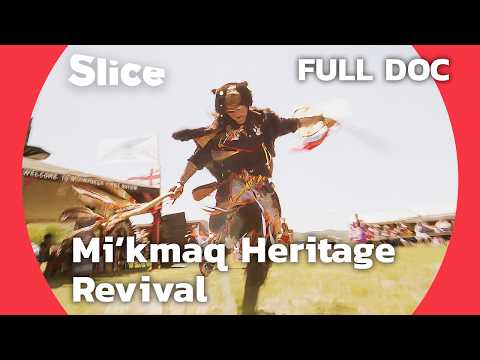
The Mi'kmaq have a rich tradition of music and dance, which is an integral part of their cultural heritage. The Mi'kmaq have a unique system of music, which is based on a complex network of drums and songs. The Mi'kmaq have a deep respect for the dancers, who play a vital role in passing down traditional dances and cultural practices. The Mi'kmaq also have a strong tradition of storytelling, which is often passed down through generations by elders. For instance, the Mi'kmaq have a long history of oral tradition, with stories and songs passed down through generations. The Mi'kmaq also have a unique system of dance, which is based on a holistic approach to movement and expression.
📊 Mi'kmaq History and Treaty Relations
The Mi'kmaq have a complex and often fraught history with the Canadian government, with a number of treaties and agreements aimed at establishing a framework for coexistence. The Mi'kmaq have a deep respect for the land and the environment, and their history reflects this. The Mi'kmaq have a unique system of governance, which is based on a democratic approach to decision-making. The Mi'kmaq also have a strong tradition of self-determination, which is reflected in their history. For example, the Mi'kmaq have a long history of resistance to colonization, with many community members fighting to protect their land and way of life. The Mi'kmaq also have a unique system of treaty relations, which is based on a holistic approach to relationships with other nations.
🌐 Modern Mi'kmaq Culture and Identity
The Mi'kmaq continue to thrive in modern times, with a strong focus on preserving their language, culture, and traditions. The Mi'kmaq have a unique system of cultural preservation, which is based on a community-based approach to preserving their cultural heritage. The Mi'kmaq have a deep respect for the elders, who play a vital role in passing down traditional knowledge and cultural practices. The Mi'kmaq also have a strong tradition of innovation, which is reflected in their education system. For instance, the Mi'kmaq have a long history of adaptation, with community members adapting to changing circumstances while maintaining their cultural heritage. The Mi'kmaq also have a unique system of community development, which is based on a holistic approach to building strong, healthy communities.
🤝 Mi'kmaq Relations with Other Indigenous Groups
The Mi'kmaq have a complex and often fraught history with other Indigenous groups, with a number of alliances and conflicts shaping their relationships. The Mi'kmaq have a deep respect for the other Indigenous groups, and their history reflects this. The Mi'kmaq have a unique system of governance, which is based on a democratic approach to decision-making. The Mi'kmaq also have a strong tradition of cooperation and mutual aid, which is reflected in their social structure. For example, the Mi'kmaq have a long history of trade and diplomacy with other Indigenous groups, with many community members forming strong relationships with neighboring nations. The Mi'kmaq also have a unique system of conflict resolution, which is based on a holistic approach to resolving disputes.
🌈 Conclusion: Celebrating Mi'kmaq Heritage
In conclusion, the Mi'kmaq people have a rich and vibrant heritage that spans thousands of years, with a strong connection to their traditional territory and a deep respect for the natural world. The Mi'kmaq have a unique system of art and symbolism, which reflects their connection to the land and the animals that inhabit it. The Mi'kmaq have a strong tradition of storytelling, which is often passed down through generations by elders. The Mi'kmaq also have a deep respect for the land and the environment, and their history reflects this. As we look to the future, it is essential that we recognize and respect the Mi'kmaq people's right to self-determination and their connection to their traditional territory.
Key Facts
- Year
- 2022
- Origin
- Eastern Canada and Northeastern United States
- Category
- Indigenous Cultures
- Type
- Indigenous Group
- Format
- comparison
Frequently Asked Questions
What is the traditional territory of the Mi'kmaq people?
The traditional territory of the Mi'kmaq people includes present-day Maritimes and Gaspesie. The Mi'kmaq have a deep connection to the land and the resources it provides, and their traditional way of life is closely tied to the fishing and hunting industries. The Mi'kmaq have a strong spiritual connection to the land, and their spirituality is reflected in their art and symbolism.
What is the Mi'kmaq language?
The Mi'kmaq language is a member of the Algonquian language family and is spoken by approximately 8,000 people. The Mi'kmaq have a rich tradition of literature, which includes poetry, prose, and drama. The Mi'kmaq have also developed a unique system of education, which is based on a holistic approach to learning. For instance, the Mi'kmaq have a strong emphasis on experiential learning, which involves hands-on learning and community involvement.
What is the significance of the Mi'kmaq art and symbolism?
The Mi'kmaq art and symbolism are highly distinctive and reflect the community's deep connection to the natural world. The Mi'kmaq are known for their intricate basket-weaving and quill-work, which are highly prized for their beauty and craftsmanship. The Mi'kmaq have a strong tradition of storytelling, which is often passed down through generations by elders. The Mi'kmaq have a unique system of art and symbolism, which reflects their connection to the land and the animals that inhabit it.
What is the Mi'kmaq system of governance?
The Mi'kmaq have a unique system of governance, which is based on a democratic approach to decision-making. The Mi'kmaq have a deep respect for the family and the community, and their social structure reflects this. The Mi'kmaq have a strong tradition of cooperation and mutual aid, which is reflected in their social structure. For instance, the Mi'kmaq have a long history of cooperative governance, with decision-making power held by the people.
What is the significance of the Mi'kmaq history and treaty relations?
The Mi'kmaq have a complex and often fraught history with the Canadian government, with a number of treaties and agreements aimed at establishing a framework for coexistence. The Mi'kmaq have a deep respect for the land and the environment, and their history reflects this. The Mi'kmaq have a unique system of treaty relations, which is based on a holistic approach to relationships with other nations. For example, the Mi'kmaq have a long history of resistance to colonization, with many community members fighting to protect their land and way of life.
What is the current state of the Mi'kmaq culture and identity?
The Mi'kmaq continue to thrive in modern times, with a strong focus on preserving their language, culture, and traditions. The Mi'kmaq have a unique system of cultural preservation, which is based on a community-based approach to preserving their cultural heritage. The Mi'kmaq have a deep respect for the elders, who play a vital role in passing down traditional knowledge and cultural practices. The Mi'kmaq also have a strong tradition of innovation, which is reflected in their education system.
How do the Mi'kmaq relate to other Indigenous groups?
The Mi'kmaq have a complex and often fraught history with other Indigenous groups, with a number of alliances and conflicts shaping their relationships. The Mi'kmaq have a deep respect for the other Indigenous groups, and their history reflects this. The Mi'kmaq have a unique system of governance, which is based on a democratic approach to decision-making. The Mi'kmaq also have a strong tradition of cooperation and mutual aid, which is reflected in their social structure.