
Contents
Overview
The story of Lloyd's of London begins not with a formal charter, but with the humble establishment of Edward Lloyd's coffee house, which initially served mariners and merchants seeking a reliable place to gather, exchange news about ship movements, and conduct business. Lloyd's coffee house quickly became the de facto hub for marine insurance, where underwriters would meet potential clients, assess risks, and agree on premiums. This informal arrangement laid the groundwork for what would become the world's leading insurance market. The market's formalization gained momentum with legislation that established it as a corporate body, separating the market's governance from individual members and providing a legal framework for its operations. This legislative step was crucial in building trust and stability for the burgeoning insurance enterprise.
⚙️ How It Works
At its heart, Lloyd's functions as a marketplace, not an insurer. It comprises numerous independent underwriting syndicates, each managed by an 'agent' and funded by 'members' – these can be individuals (historically known as 'Names') or, more commonly today, large corporations. These syndicates compete for business, with each syndicate specializing in certain types of risk. When a broker brings a risk to Lloyd's, they present it to various syndicates, seeking the best terms. The syndicates then decide whether to accept the risk, and if so, how much of it they wish to underwrite, effectively pooling and spreading the risk across multiple entities. This decentralized, competitive model allows for immense flexibility and capacity to cover highly complex and unusual risks that might be uninsurable elsewhere, such as space exploration missions or major infrastructure projects.
📊 Key Facts & Numbers
Lloyd's covers around 200 territories worldwide, demonstrating its extensive international footprint. Historically, marine insurance was its sole focus, but today, only a portion of its business is related to marine and energy risks, with the vast majority dedicated to non-marine specialties like property, casualty, aviation, and cyber insurance. The market's capacity has grown significantly, enabling it to absorb substantial losses.
👥 Key People & Organizations
The genesis of Lloyd's is inextricably linked to its founder, Edward Lloyd, whose coffee house served as the initial meeting point. Over time, key figures emerged as influential underwriters and market leaders, shaping its development. Today, the market is overseen by a supervisory board, which ensures the financial solvency and regulatory compliance of the syndicates. Prominent managing agents, such as Aon and Willis Towers Watson, play a crucial role in operating syndicates and bringing business to the market. The Corporation of London also plays a role in the regulatory environment within which Lloyd's operates, ensuring adherence to financial standards and market integrity.
🌍 Cultural Impact & Influence
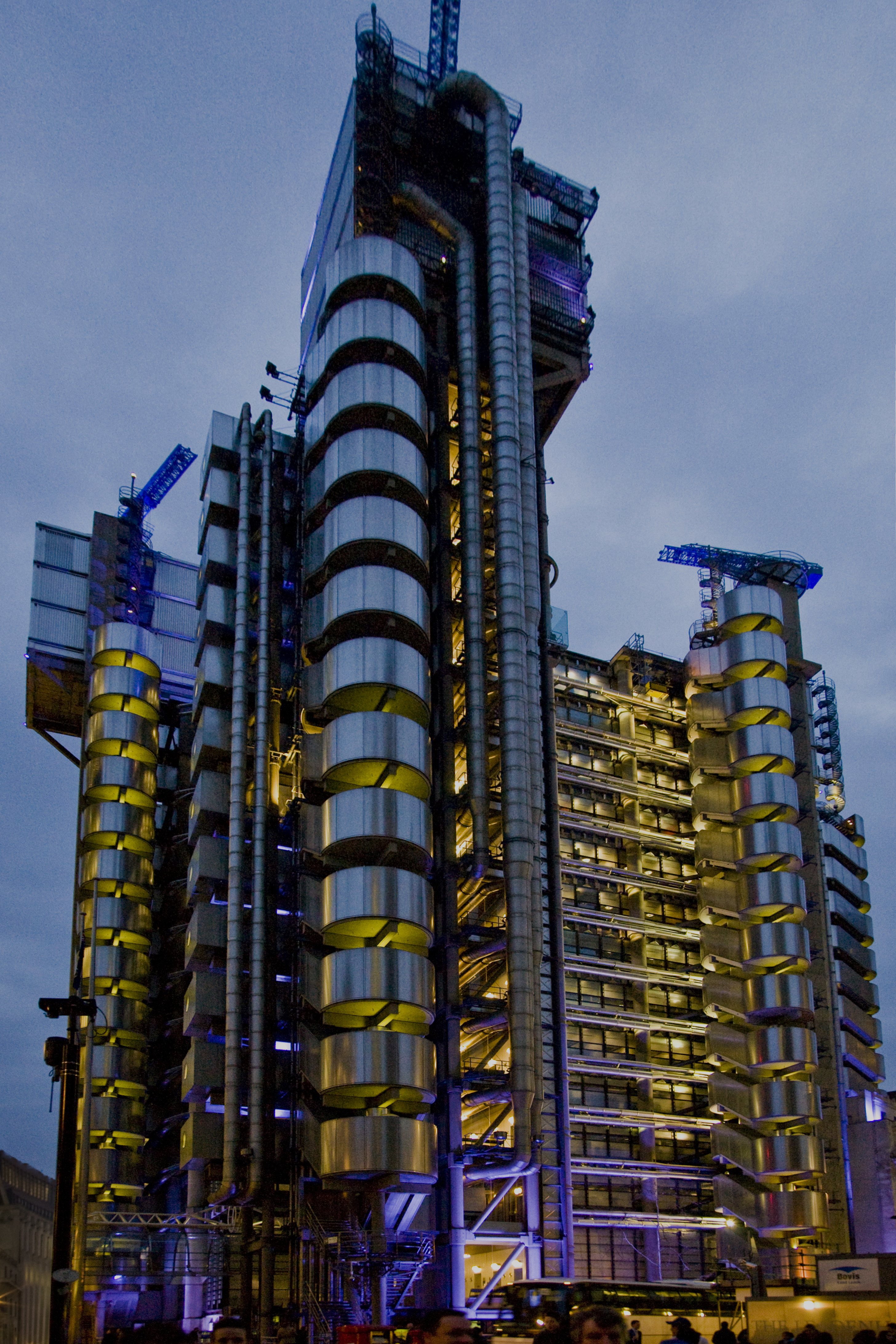
The cultural resonance of Lloyd's is profound, deeply embedded in the history of global commerce and risk management. Its iconic building on Lime Street, designed by Richard Rogers, is a postmodern architectural landmark, symbolizing its blend of tradition and modernity. The Lutine Bell, housed within the building, is famously rung to announce major losses or, historically, to signal the arrival of news about a missing ship – a poignant reminder of its maritime roots. Lloyd's has been depicted in numerous books and films, often as a place where fortunes are made or lost on the turn of a card or the signing of a policy, cementing its image as a place of high stakes and daring enterprise. Its influence extends to the very language of insurance, with terms originating from its practices still in use today.
⚡ Current State & Latest Developments
In recent years, Lloyd's has been actively navigating the evolving global risk landscape. The market has seen a significant push towards digitalization and data analytics, aiming to streamline underwriting processes and improve risk assessment. The market continues to focus on profitable underwriting, with a strategic emphasis on reducing volatility and enhancing performance. There's also a growing focus on underwriting climate change-related risks and the burgeoning cyber risk market, reflecting the shifting priorities of global businesses.
🤔 Controversies & Debates
Lloyd's has faced its share of controversies, most notably concerning its historical reliance on 'Names' – wealthy individuals who bore unlimited liability for underwriting losses. This system, while providing immense capital, also exposed individuals to ruinous debt, leading to significant legal battles and reforms. More recently, the market has grappled with issues of workplace culture, facing criticism for instances of harassment and discrimination, which led to a significant cultural reform program. Furthermore, the debate around underwriting fossil fuel projects continues, with environmental groups pressuring Lloyd's to divest from such activities, a stance that pits traditional business interests against increasing demands for sustainability and ESG compliance.
🔮 Future Outlook & Predictions
The future of Lloyd's is likely to be shaped by its ability to adapt to technological advancements and changing global risks. Expect continued investment in AI and machine learning for underwriting and claims processing, aiming to enhance efficiency and accuracy. The market will undoubtedly play a crucial role in insuring emerging risks, such as those associated with quantum computing, advanced biotechnology, and the ongoing geopolitical shifts. There's also a strong push towards greater sustainability in underwriting, with a potential for Lloyd's to become a leader in insuring green technologies and climate resilience solutions. The ongoing evolution of its membership structure, moving further towards institutional capital, will also define its future capacity and market strategy.
💡 Practical Applications
Lloyd's is the go-to market for complex, unusual, and large-scale risks that are often difficult or impossible to insure through standard insurance companies. This includes underwriting the physical assets of major corporations, such as oil rigs, power plants, and large commercial fleets. It also covers specialized risks like political risk insurance for companies operating in volatile regions, kidnap and ransom insurance, and even the unique risks associated with major sporting events or entertainment productions. Furthermore, Lloyd's is a primary market for aviation and space insurance, covering everything from commercial aircraft to satellites and launch vehicles, demonstrating its unparalleled capacity for covering high-value, high-consequence risks.
Key Facts
- Category
- organizations
- Type
- topic